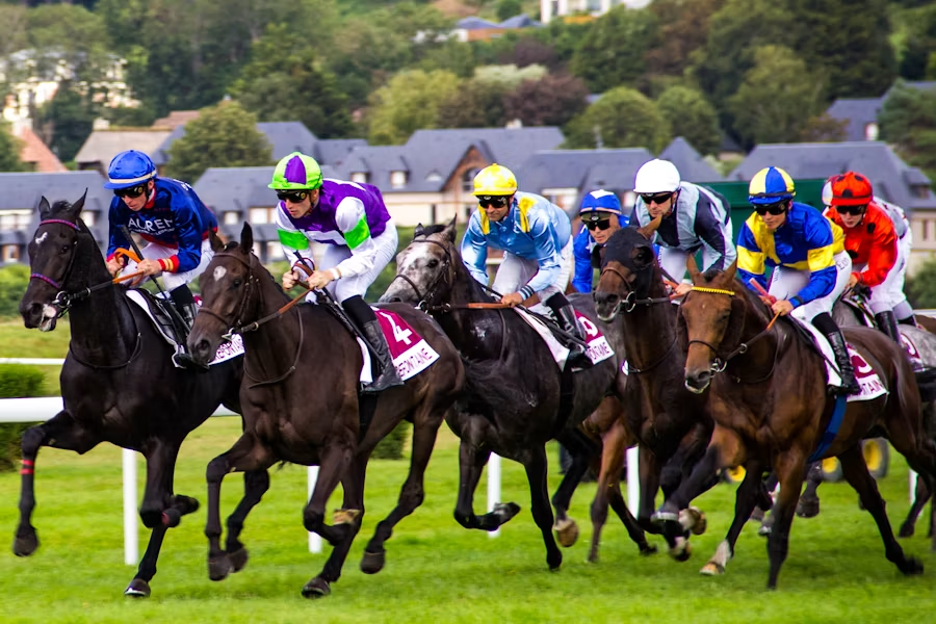
 Professional jockeys spend years learning how races unfold, how horses respond under different conditions, and how small decisions influence the outcome of a race. While beginners will never experience a race from the saddle, they can still learn valuable lessons by observing how experienced riders think and prepare.
That perspective matters because jockeys see racing in terms of strategy and a sequence of choices, not just a burst of speed. Successful betting echoes this approach; it’s rarely about luck alone. Many of the habits that help jockeys perform at a high level can also help bettors make more informed decisions before placing a wager.
Why Professional Jockeys Focus on Preparation
Long before entering the starting gate, jockeys spend time understanding every aspect of the race. They study the horses they’ll face, consider likely pace scenarios, review track conditions, and discuss strategy with trainers. Preparation allows them to react confidently when the race begins because they’ve already considered different possibilities.
For bettors, this lesson is equally important. Successful wagering often begins before looking at the odds board. Reviewing race cards, studying recent performances, and understanding the conditions of the race create a much stronger foundation than relying on instinct or a horse’s reputation alone.
Preparation also helps identify details that may not be obvious at first glance. A horse returning to its preferred distance, racing on a surface it has handled well previously, or competing after an encouraging recent performance may deserve closer attention than the market initially suggests.
Professional jockeys understand that no two races are identical. Bettors who adopt that same mindset are less likely to rely on assumptions and more likely to evaluate every race on its own merits.
Why Race Position Matters More Than Raw Speed
Many newcomers assume the fastest horse should always win. Professional jockeys know racing is rarely that simple. Positioning throughout the race often determines whether a horse has the opportunity to use its speed effectively.
Breaking well from the gate can help a horse secure a valuable early position, but maintaining that position requires judgment. A jockey may choose to settle behind the leaders, conserve energy, or gradually improve position depending on how quickly the race develops.
Horses forced wide around turns travel farther than rivals saving ground along the rail. Likewise, horses caught behind tiring runners may lose momentum at a critical moment. These situations illustrate why tactical positioning frequently matters as much as raw ability.
For bettors, watching previous races with an eye on positioning rather than simply finishing order can reveal valuable insights. A horse finishing fourth after encountering traffic may have delivered a stronger performance than the official result suggests.
Learning to Read the Race
Professional jockeys rarely focus only on the horse beneath them. They constantly assess how the conditions and every runner in the race could influence the outcome.
Pace Scenario
Jockeys evaluate which horses are likely to set the early pace and whether that pace could become too fast or too slow. These expectations influence how they position their own mounts throughout the race.
Competition
The strength of the field matters as much as individual performances. A horse moving from easier competition into a stronger race faces a different challenge than one meeting familiar rivals.
Track Conditions
Weather and track surfaces can alter how races unfold. Some horses perform better on fast dirt tracks, while others show improved form when conditions become softer or wetter.
Looking at the race as a complete picture helps bettors avoid focusing too heavily on one contender. Understanding how the field fits together often leads to a more balanced evaluation.
Common Habits That Separate Experienced Riders
Professional jockeys develop habits that allow them to perform consistently under pressure. While beginners cannot replicate their riding skills, they can adopt many of the same approaches when evaluating races.
- Study every race before making a decision,
- Stay patient instead of reacting to early market movement,
- Adapt when conditions change unexpectedly,
- Respect the strengths and limitations of each horse,
- Make decisions based on preparation rather than emotion.
These habits encourage consistency rather than impulsive betting. They also reduce the temptation to chase losses or place wagers simply because a race is about to begin.
Experienced riders understand that discipline, rather than taking unnecessary risks, often results in better long-term results. Bettors benefit from the same philosophy by making fewer but better-informed decisions.
Developing these habits takes time, although familiarity and understanding grow with experience. Consistency is often one of the biggest differences between beginners and those who approach racing with greater confidence.
Applying a Professional Mindset to Betting
The biggest lesson beginners can learn from professional jockeys is that successful decisions are usually built on preparation rather than instinct. Every race presents new circumstances, making careful analysis more valuable than relying on reputation or recent headlines alone.
Instead of searching for shortcuts, experienced bettors often build a repeatable process. They review recent form, compare race conditions, consider likely pace scenarios, and evaluate whether each horse is suited to the challenge ahead before making a selection.
Many of these habits echo practical horse betting tips, helping beginners develop a more disciplined approach to race analysis instead of relying on emotion. A structured process doesn’t guarantee winning bets, though it does create a stronger foundation for making thoughtful decisions over time.
Professional jockeys understand that every race offers an opportunity to learn, regardless of the outcome. Bettors who review their decisions after each wager can gradually improve their judgment and develop a deeper understanding of how races unfold.
Thinking Like a Student of the Sport
Professional jockeys succeed because they combine preparation, observation, and experience every time they compete. Those same qualities can help beginners become more thoughtful bettors, even though they view the race from a completely different perspective.
Horse racing rewards those who continue learning. By paying closer attention to race dynamics, understanding why jockeys make certain decisions, and developing disciplined betting habits, beginners can build knowledge that serves them well beyond a single race. Over time, that understanding often becomes one of the most valuable advantages a bettor can have.
