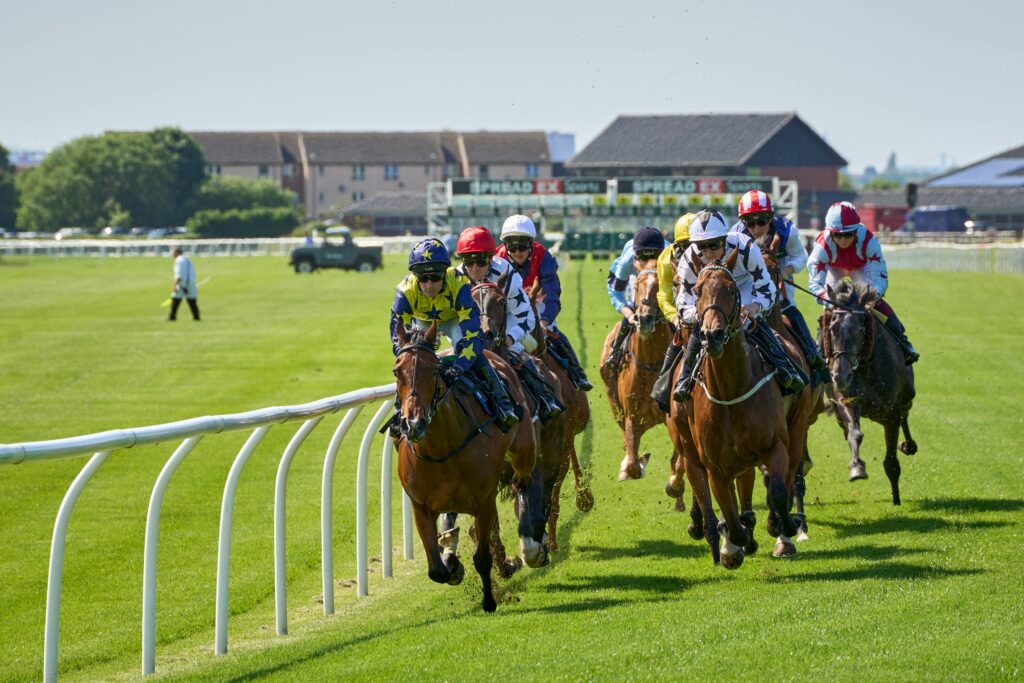
Getting to know the jockey can make all the difference at the track: a savvy insight that often gets overlooked by casual bettors. Used wisely, jockey knowledge can sharpen horse betting tactics and improve your chances of success.
When you place a bet on a horse race, most people focus on the horse’s form, the track conditions, or the odds. But the rider, the jockey, plays a critical role in shaping how a race unfolds and informed bettors know that paying attention to who sits in the saddle can provide real value. This guide explores how jockey factors influence race outcomes and how you can turn that knowledge into a smarter betting strategy.
Why the Rider Can Influence Race Outcomes
A top jockey doesn’t just sit on the horse: they guide it, pace it and adapt strategy in real time. A skilled rider can make split‑second decisions: when to push, when to hold back, or which part of the track to use.
Studies of jockey performance show that posture, balance and rhythm matter: riders who maintain an aerodynamic, balanced position help horses conserve energy and maintain speed more efficiently.
Moreover, experienced jockeys familiar with particular tracks often know the quirks: how certain turns run, where the ground gets softer and how the race is likely to unfold depending on the weather. This kind of “inside knowledge” can tilt the odds in favour of a horse even if its past form isn’t spectacular.
Combining Jockey Insight with Smart Betting
Horse betting platforms are increasingly flexible. They offer markets beyond win/lose, such as place bets, each-way bets and multiples. If you spot a horse with a strong jockey and favourable conditions, an each-way or place bet can offer valuable upside without requiring a full win. This kind of strategy reduces risk but keeps potential reward alive.
Moreover, sportsbooks such as NetBet Sport provide comprehensive coverage of UK and Irish horse races, offering markets with jockey stats and race conditions clearly listed alongside odds.
Using those tools, a bettor can combine data: jockey history, horse form and conditions to build a more informed wager, rather than betting purely on reputation or hype. Over time, this disciplined approach tends to be more rewarding and far more satisfying.
Understanding Form, Stats and Riding History
Before placing a bet, it’s worth checking a few jockey‑specific data points: win rate, recent performance, course history and trainer partnerships. A jockey with consistent results, especially at certain racecourses or under challenging conditions, often delivers better returns than a random draw.
Even when horses look evenly matched on paper, differences in rider quality can affect the outcome. For instance, a strong jockey riding a mid-range horse may outperform a weaker rider on a “better” horse, because riding skill can influence pace, stamina and positioning.
It’s also smart to consider whether a jockey has previously ridden the horse. Familiarity can help. Some jockeys and horses form a rhythm together, understanding each other’s strengths and weaknesses. That rapport can matter when the race is tight or the track conditions are tricky.
When & How to Spot Value:
Some race conditions favour jockey influence more than others. For example:
- Changing or soft ground — A skilled jockey who knows how to manage a horse on slippery or heavy turf can gain a considerable edge.
- Long-distance races — Endurance counts. A rider’s pacing ability and experience in navigating distance races often matter more than raw sprint speed.
- Tight or tricky courses — Circuits with sharp turns or unpredictable terrain reward jockeys familiar with their nuances. A good jockey knows where to ride for safety and speed.
In these situations, a horse with “good but not stellar” form but backed by a reliable jockey can offer more value than a top-rated horse ridden by an untested rider. As with any betting, the key is to mix insight with discipline. Avoid piling on too many guesses: instead, build a few considered bets where the jockey’s advantage is real.
When you place your next bet, remember: the rider matters as much as the horse.
